
How we can help
CLiDE is the industry-standard solution for extracting chemical structures from images and documents.
When chemical structures are contained within PDFs, journal articles, patents, scanned documents or technical reports, they can be difficult to search, compare, organise or reuse.
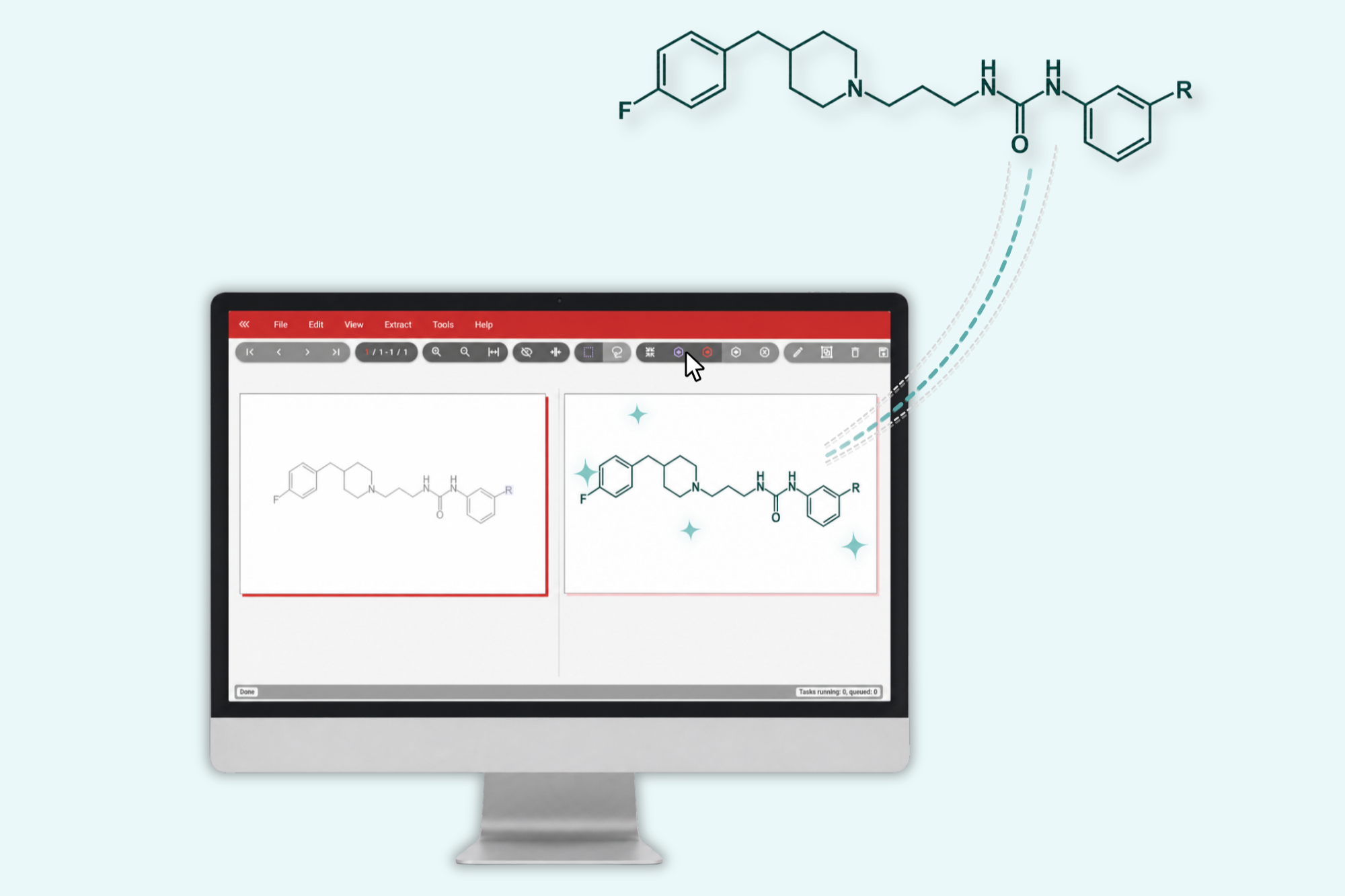
CLiDE works by recognising chemical structure images in documents and converting them into usable digital chemical data. It can output them into widely-used chemical file formats such as ChemDraw, MDL Molfiles, SDfiles amongst others.

How does CLiDE work?
1. You provide the documents
2. CLiDE identifies the chemical structures
3. The structures are converted into usable data
- Removes the need to manually redraw structures
- Exports structures into various chemical formats
- Consistently high accuracy
- Easy to use
- Excellent speed
- Easy to integrate into workflows
- Flexibility for the user with many user selected options
- Smooth communication with well-known chemical editors
You need CLiDE if you are…
Reviewing numerous scientific documents or papers
Extracting chemical structures from patents or technical documents
Working with PDFs, scanned documents or legacy chemistry content
Aiming to reduce manual structure drawing in your work
What can CLiDE be used for?
Patent and technical document analysis
CLiDE quickly and accurately extracts chemical structures from complex documents, such as patents or technical reports, which saves time and supports data handling.
This supports more efficient analysis of existing research, competitor activity, and technical chemical information.
Drug discovery
CLiDE converts chemical structures from research papers, patents, reports, and other scientific documents into searchable chemical data quickly and easily.
This saves time, reduces manual work, and helps you to identify, compare, and reuse relevant chemical information across R&D workflows.
Literature reviews and academic research
CLiDE makes it easy to build lists, compare structures, and organise findings from chemical literature by extracting chemical structures directly from documents.
This helps you to work more efficiently with large volumes of chemical literature and erases the need for manual redrawing.
Publishing
CLiDE improves indexing, archiving, and digital access to chemical information by converting images and documents into searchable chemical data.
This makes chemical structure information easier to find, manage, and preserve, as well as increasing its reusability.
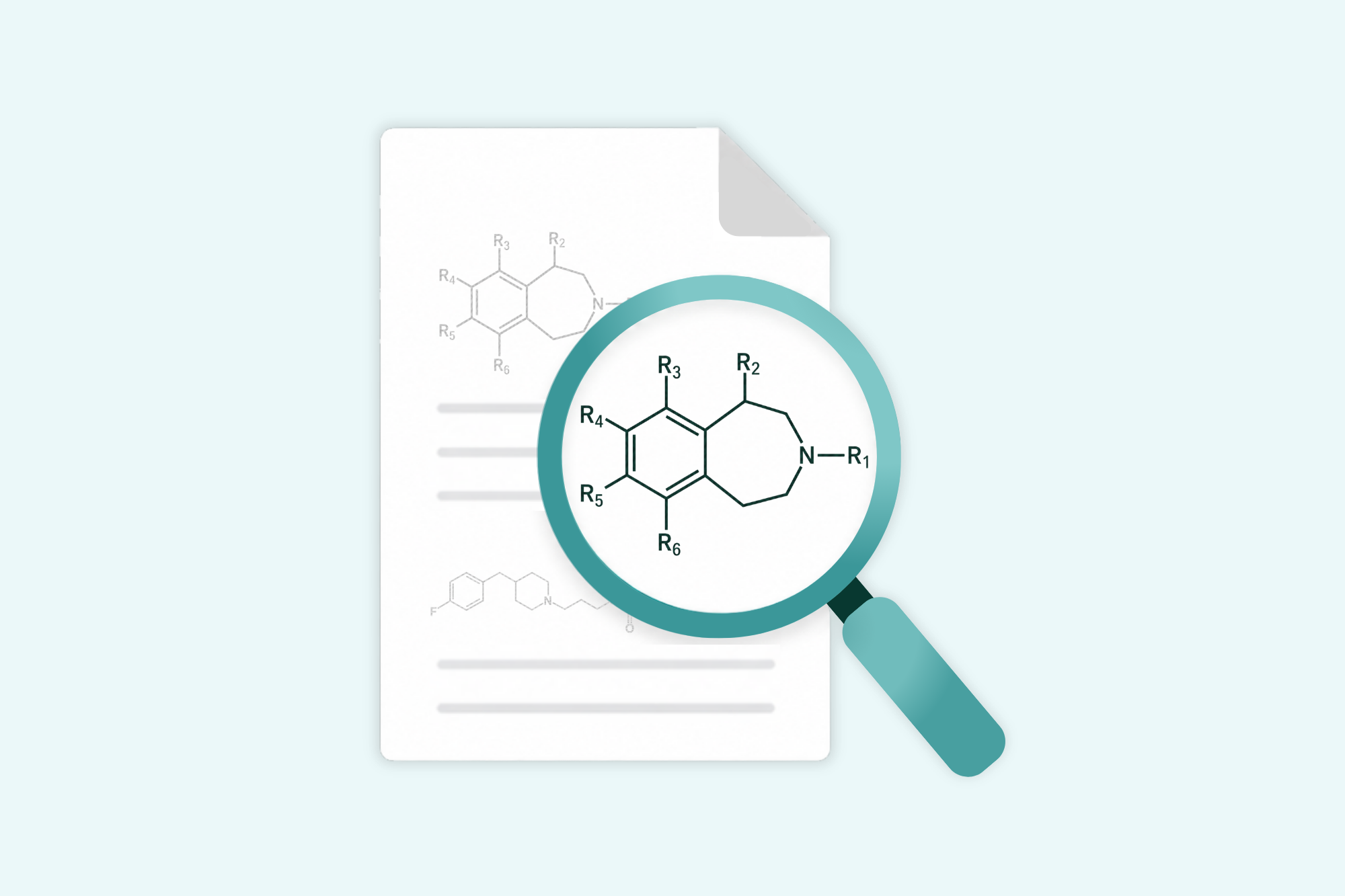
CLiDE can also support work in areas such as…
Agrochemistry
Accurately extract structures of active ingredients, intermediates, and related compounds from agrochemical documents or images.
Environmental chemistry
Support the extraction of structures of pollutants, contaminants, degradation products, and industrial chemicals with CLiDE.
Materials research
Capture structures for polymer chemistry, additives, catalysts, and functional compounds from published or archived research.
Perfumery and flavourings research
Identify and reuse chemical structures for aroma compounds, flavour ingredients, and related organic molecules from literature.
CLiDE Standard
Chemical structure extraction for the individual chemist
For a limited time, our Academic license for CLiDE Standard is discounted from £130 to £75.
CLiDE Standard is ideal for those who would like to extract structures on an occasional basis.
Purchase CLiDE Standard Online
Choose your license:
Bundle Offers
Whether you need multiple licenses or a full department solution – we offer bundle license pricing to suit your needs. Contact us to discuss the best bundle option for you.
Subscribe to Keymodule’s Newsletter
Sign up to receive insights into our software solutions and special offers.